 DesktopAlive
Why flies rub their legs, ants touch antennae and ladybugs play dead
26 November 2026
Small insects look busy for no reason. Watch closely and most of it has a purpose. These are three habits we copied when making Makkhi.
Flies rub their legs to stay clean
A fly tastes with its feet. The sensors on its legs, along with the hairs that feel touch and air, work badly when covered in dust. So a fly cleans often. It rubs its front legs against each other, wipes its head and eyes with them, and uses the back legs for its wings and abdomen.
It also walks in a steady pattern. Insects have six legs, and when walking quickly they tend to move three at a time: the front and back leg on one side with the middle leg on the other. Those three feet make a stable triangle while the other three swing forward.
Ants touch antennae to read each other
When two ants meet, they tap each other with their antennae. An ant's body carries a coat of waxy chemicals, and the mix tells the other ant whether this is a nestmate.
The line they walk in is chemical as well. Ants of many species leave a scent on the ground on the way home from food. Others follow it and add to it, so a good route grows stronger and an empty one fades.
Ladybugs play dead
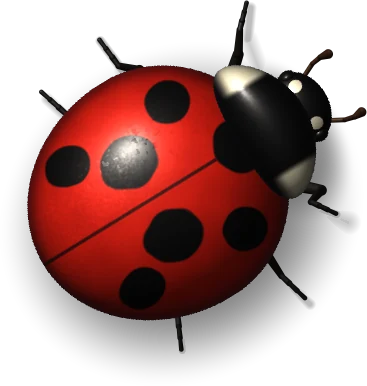
A startled ladybug may pull in its legs and lie still. Many predators notice movement, so staying still can help. Ladybugs can also release a bitter yellow fluid from their leg joints, which teaches a bird to leave them alone. Their bright colours are a warning of that taste.
The hard red part is a pair of front wings. They lift out of the way to let the thin flying wings unfold from underneath.
Watching them on a screen
In Makkhi the fly grooms, the ants greet each other and carry crumbs, and the ladybug tucks in its legs when you startle it. No real insects, no yellow fluid.